When it comes to cutting energy bills and staying comfortable year-round, few upgrades make as much difference as improving your home’s passive thermal efficiency. Instead of relying on your air conditioner or heater to fight against drafts and temperature swings, a thermally efficient home keeps the indoor climate stable — naturally.
Here are some of the key advantages of improving your home’s passive thermal efficiency:
What is passive thermal efficiency?
Passive thermal performance refers to how well your home maintains a comfortable internal temperature without relying heavily on active systems like heating or cooling. It’s about how your building envelope — walls, roof, floors, windows, and doors — work together to trap comfort inside and keep the elements out.
By improving insulation, sealing air leaks, and optimising window glazing, you can create a space that’s naturally energy-efficient, quieter, and healthier to live in.
1. Lower energy bills
A home that leaks air and heat wastes energy every hour of every day. By improving thermal sealing and insulation, your heating and cooling systems don’t need to work as hard – often cutting energy costs by 10–30%. Over time, those savings easily outweigh the cost of the upgrades.
2. Consistent comfort in every room
Poor thermal performance leads to rooms that are hot in summer, cold in winter, and uncomfortable all year. Improving passive thermal efficiency ensures even, stable temperatures throughout the home, reducing drafts and eliminating those frustrating “cold corners” or overheated rooms.
3. Longer life for your HVAC system
When your home holds temperature efficiently, your air conditioning and heating systems don’t cycle on and off as often. Less strain means fewer breakdowns, lower maintenance costs, and a longer system lifespan, saving you even more in the long run.
4. Healthier indoor air quality
Unsealed gaps don’t just leak energy – they let in dust, allergens, and moisture. Improving thermal performance through proper sealing and insulation helps keep pollutants and outdoor allergens out, creating a cleaner, healthier indoor environment.
5. Reduced carbon footprint
Every kilowatt-hour of energy saved means fewer greenhouse gas emissions. By using less electricity and gas for heating and cooling, you’ll reduce your household’s environmental impact and take a practical step toward sustainable living.
6. A quieter, more peaceful home
Insulation and air sealing don’t just stop heat transfer – they also reduce outside noise. A well-sealed, thermally efficient home is noticeably quieter, giving you a calmer and more comfortable living space.
7. Increased property value and energy rating
Homes with high energy ratings are in demand. Improving passive thermal performance enhances your property’s comfort, efficiency, and resale appeal, making it more attractive to future buyers who value sustainability and lower running costs.
How to identify thermal inefficiencies
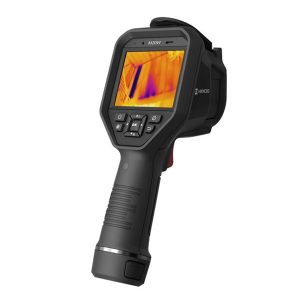
The most effective way to find out where your home is losing heat or letting in drafts is through a thermal imaging inspection.
Using advanced infrared cameras, we can see the invisible – locating insulation gaps, air leaks, and weak points in your home’s envelope with precision. From there, you’ll receive a clear action plan to fix issues and boost your home’s efficiency.
Your home should comfortable and efficient to heat and cool while being airtight to help manage allergies.
A thermal imaging inspection can identify temperature leakage caused by air gaps and insulation failures that can go undiscovered for years.
Contact us to book your thermal imaging inspection and stay ahead of the seasons – stay warmer in winter, cooler in summer, and save on energy costs all year round.