If you’ve ever noticed your home feeling chilly in winter or stuffy in summer, there’s a good chance your building is leaking energy – literally. Air leaks, poor insulation, and weak thermal performance make it harder (and more expensive) to keep your home or business comfortable year-round.
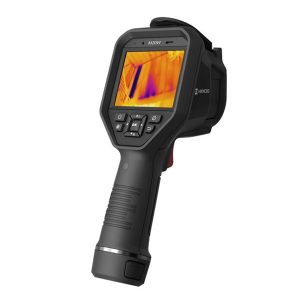
A thermal leak inspection helps pinpoint where your building is losing or gaining unwanted heat, so you can fix those weak spots before they cost you. But when’s the best time to book one?
Here are some of the most effective steps you can take.
The short answer
The best time to get a thermal imaging inspection is generally during autumn (before winter) and spring (before summer).
Why? Because these shoulder seasons give you the best temperature contrast between indoors and outdoors, making leaks and insulation gaps stand out clearly on a thermal camera – and giving you time to act before extreme weather hits.
Autumn: Prepare for winter
As the weather cools, a thermal inspection in autumn helps you get ahead of the winter chill. This is when we can identify where warm air is escaping and cold air is sneaking in. Common problem areas include:
- Gaps around windows, doors, and floorboards
- Poor insulation in ceilings or walls
- Leaky ductwork and vents
- Drafts from roof voids or attic hatches
Think of it as a pre-winter check-up for your home’s comfort and efficiency.
Spring: Prepare for summer
Spring is another excellent time for a thermal inspection, especially if you struggle with overheating rooms in summer. Thermal imaging during this period can reveal:
- Poor roof or wall insulation that lets heat in
- Ineffective window glazing or solar gain through glass
- Gaps allowing hot outdoor air to enter cooled spaces
Fixing these before summer means your air conditioning system won’t have to work as hard – saving you money, reducing wear and tear, and keeping your home or office consistently cooler.
Commercial properties
For offices, retail, and industrial buildings, timing inspections before peak heating or cooling seasons is equally valuable. HVAC systems in commercial spaces are major energy users, often accounting for 40-60% of total power costs. Identifying and sealing leaks before extreme weather helps balance building temperatures, improves occupant comfort, and reduces operational costs.
Many businesses schedule biannual thermal assessments – once before winter, once before summer – as part of a proactive energy management strategy.
Your home should comfortable and efficient to heat and cool while being airtight to help manage allergies.
A thermal imaging inspection can identify temperature leakage caused by air gaps and insulation failures that can go undiscovered for years.
Contact us to book your thermal imaging inspection and stay ahead of the seasons – stay warmer in winter, cooler in summer, and save on energy costs all year round.